Introduction
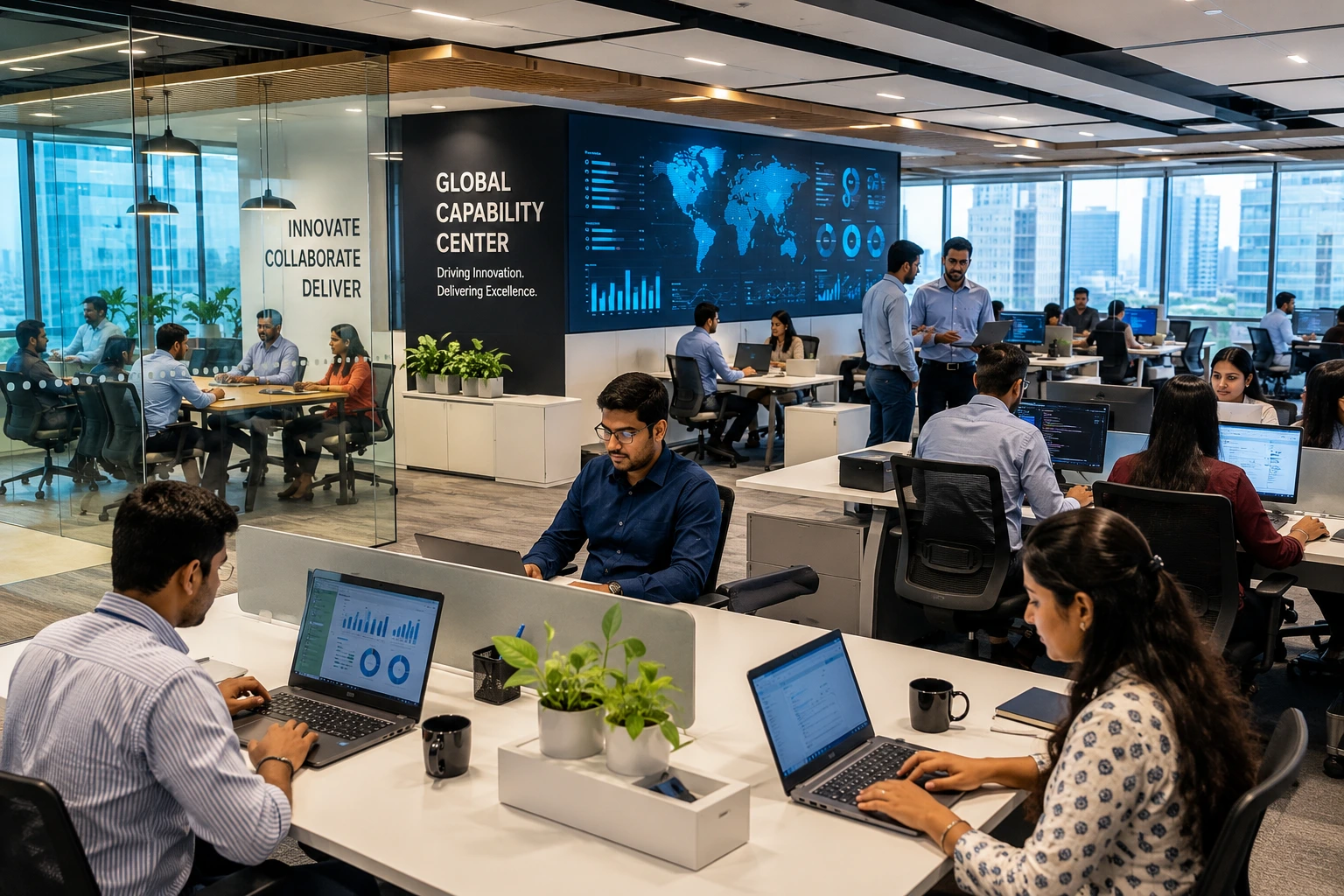
Not long ago, the Global Capability Centre was the corporate world’s best-kept secret a quiet back-office running payroll, processing data, and keeping the lights on for headquarters somewhere in New York or London. Those days are over. Today’s GCC is a full scale innovation engine. India is home to over 1900 GCCs and counting, is the undisputed capital of this revolution. It is fundamentally incompatible for a GCC to sign a long-term lease, spend months on fit outs, lock in. Speed, flexibility, and talent destiny is what matters now.
That is why managed office spaces for GCCs have gone from a niche option to the dominant strategy. And it is why companies expanding into Pune and across India are increasingly turning to providers like Bootstart to power their next chapter, with access to the Best coworking space in Kothrud and the Best Coworking Space in Baner for agile, scalable workspace solutions.
Why GCCs are Making the Switch?
This isn’t just a trend driven by cost alone. It is a strategic realignment. Here are the five forces pushing GCCs choosing managed office spaces at unprecedented scale.
1. Speed to Market: Launching in Weeks, not Months
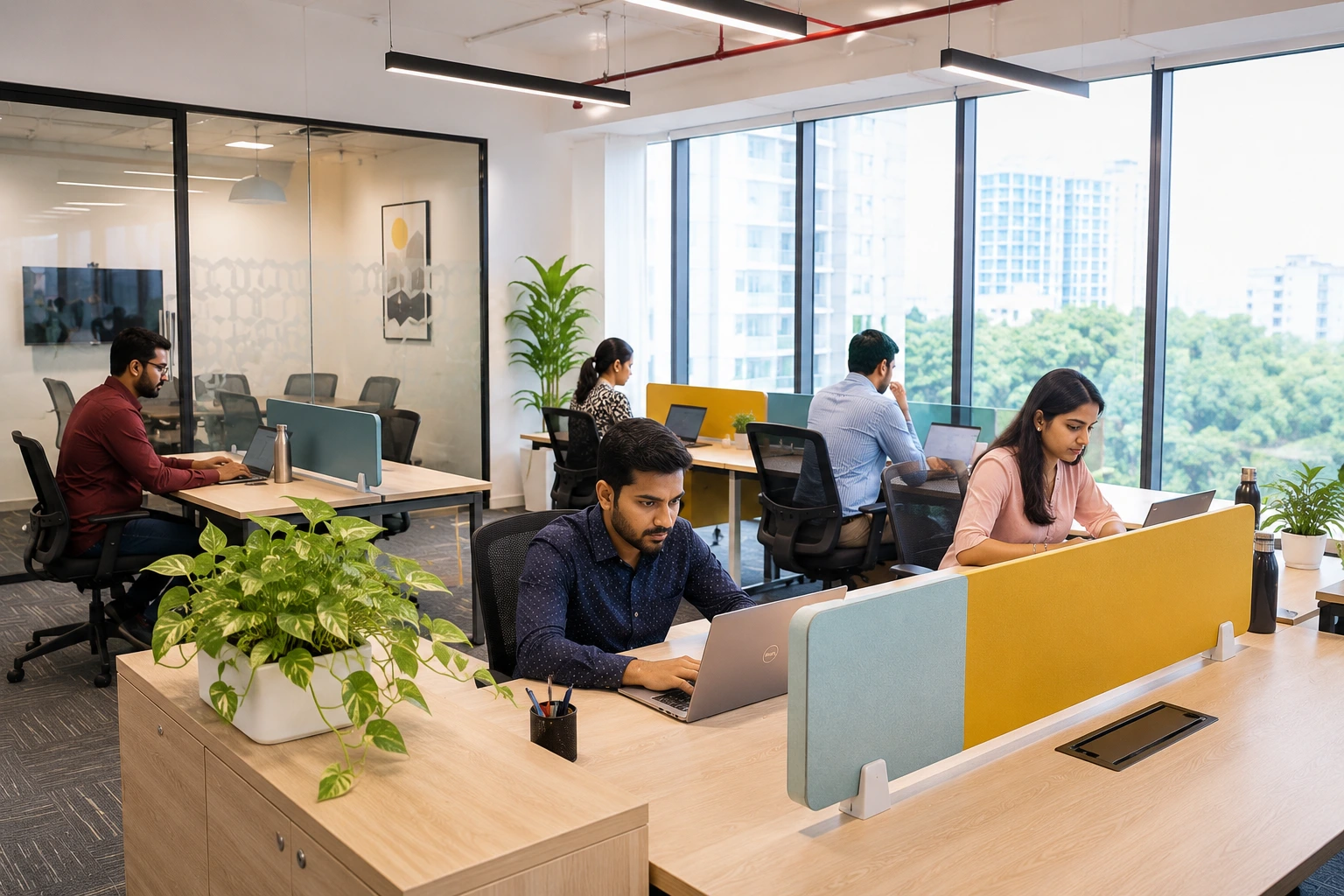
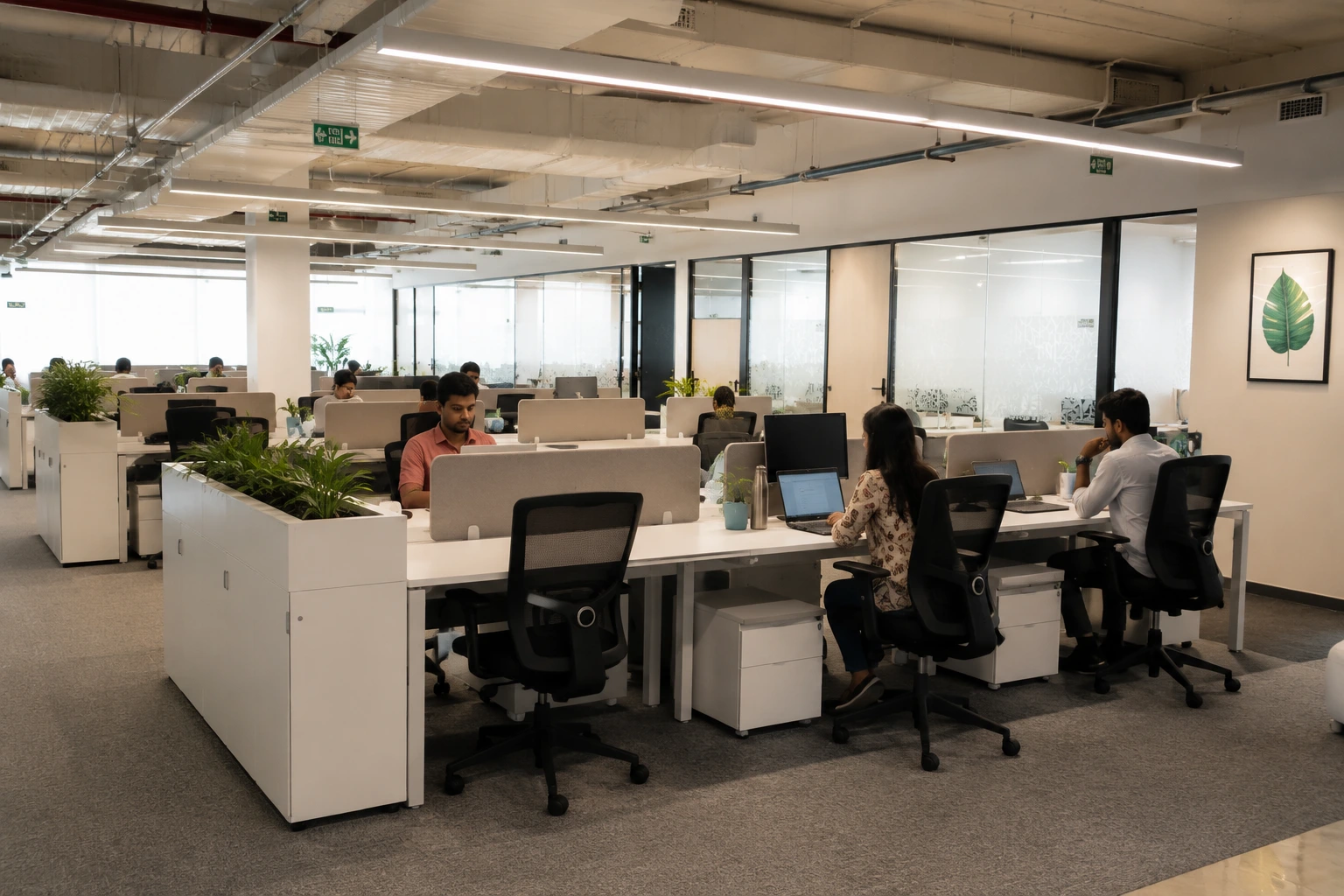
A traditional lease timeline can be a major roadblock. Between design, vendor alignment, compliance checks, and fit-outs, a conventional office can take six to nine months to become operational. In contrast, managed offices in global companies offer a plug and play environment. They are ready-to-use from day one with high speed internet, IT infrastructure, security, meeting rooms, pantry, all included. No vendor negotiations, no constructional delays. Your team just walks in and gets to work.
2. Financial Agility
A conventional office requires massive upfront CapEx including security deposits, interior design, and IT infrastructure. By choosing managed office space in India, organizations can realize 40 – 60% operational savings. GCCs operating on a flexible office space replaces capital expenditure with a single monthly predictable monthly fee.
3. Scaling with Fluidity
If there is one word that defines a modern GCC, it is fluid. Traditional leases are rigid and often lead to dead weight in the form of half-empty floors. Managed providers like Bootstart are built to grow with your team — no renegotiation, no disruption to operations, no wasted space during transitions. And when you’re ready to expand to other cities like Bengaluru, Mumbai, Nagpur; Bootstart’s city tie ups mean you’re never starting from scratch.
4. Strategic Ownership without the Operational Burden
Modern GCCs are moving toward strategic ownership, meaning they want direct control over their teams and culture without the headache of managing a building. A managed office provider like Bootstart acts as a delivery partner rather than just a landlord. GCC leadership can stop worrying about who fixes the air conditioning and focus on their core business.
5. The Expat-Ready standard and ESG Compliance
For many GCCs, parent-company standards for ESG (Environmental, Social, and Governance) and security are mandatory reporting requirements, not just nice-to-haves. Smart leaders choose managed offices because the infrastructure is often already built to meet global filters, such as LEED certifications and high-grade security protocols.
How Managed Office Spaces are Shaping the Future
The shift toward managed offices is not just a temporary trend; it is a fundamental redesign of the global corporate landscape. As Global Capability Centers (GCCs) continue to mature into “Reinvention Centers,” the workspace must evolve to support high-stakes innovation and strategic leadership. Here is how Managed offices Pune are defining the next era of global business:
1. Redefining the Global Headquarters
The future of work is defined by a “fluid” headquarters, an operating base that is agile enough to adjust to the reality of how teams actually work today. By utilizing managed office solutions, companies can redefine their physical presence to be collaborative and waste-free.
2. Built-In Innovation Ecosystems
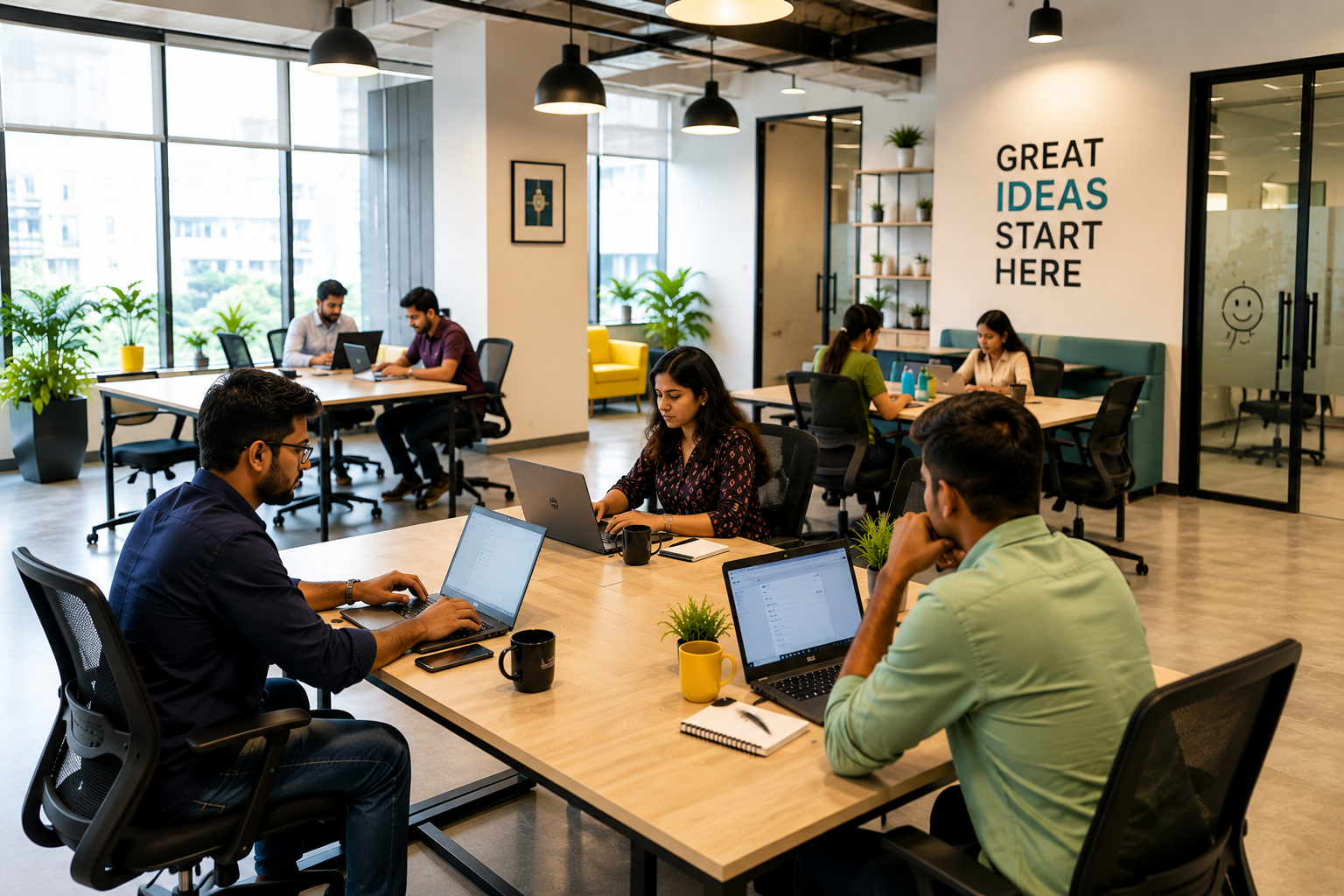
The next generation of managed office spaces will house not just tenants but entire innovation communities like startups, accelerators, university partnerships, and enterprise R&D teams under one roof, creating serendiitous collaboration at scale.
3. AI-Integrated Workspaces
Tomorrow’s managed offices will be smart buildings spaces that adjust lighting, temperature, and desk allocation in real time based on occupancy data. GCCs building AI products will work inside AI-powered environments.
4. Sustainability as Standard
Global multinationals are under intense ESG pressure. Managed office providers are responding with green-certified buildings, energy-efficient infrastructure, and carbon reporting tools things that no conventional landlord offers out of the box.
5. Agility as a Mandate for Survival
Ultimately, the future of work isn’t fixed or rigid; it is agile and built to evolve. Whether a company is entering a new city to test the talent pool or scaling a 200 seat R&D lab in weeks, the ability to bypass “entry friction” through flexible workspace solutions is a non-negotiable competitive advantage. Managed offices provide the infrastructure that allows global leaders to stay responsive in an increasinly volatile world.
Frequently Asked Question (FAQs)
1. What is the primary difference between a managed office and a traditional lease for a GCC?
Traditional leases involve high upfront CapEx and long setup times (6-9 months), whereas managed offices offer “plug-and-play” agility that allows teams to move in within weeks.
2. How are managed office space different from what they were five years ago
3. Can managed offices meet the strict security standards required by a global headquarters?
Absolutely, managed spaces are built with enterprise grade security, including biometric access, 24/7 surveillance, and secure IT infrastructure that satisfies global parent-company audits.
4. How do these spaces help GCCs meet global ESG (Environmental, Social, and Governance) goals
Many top-tier managed offices are located in LEED or GRIHA certified towers, ensuring that a GCC’s physical infrastructure aligns with mandatory international sustainability reporting from day one.
5. What role does the managed model play in transforming GCCs into "Reinvention Centers"?
By handling all operational muscle like utilities and maintenance—managed offices allow GCC leadership to focus entirely on strategic innovation, AI integration, and product ownership.
Conclusion
For a generation of global companies, the question of where to put their India team was answered with a long lease, a fit out budget, and a facilities manager. That answer is no longer good enough.
GCCs are now asking a smarter question: how do we get our team operational faster, keep our real estate costs predictable, and build a workplace that actually helps us hire and retain the engineers we need? The answer consistently, across the industry, is managed office space.
Pune is at the center of this transformation. And for teams ready to move fast, work smart, and grow without limits Bootstart is where that journey begins